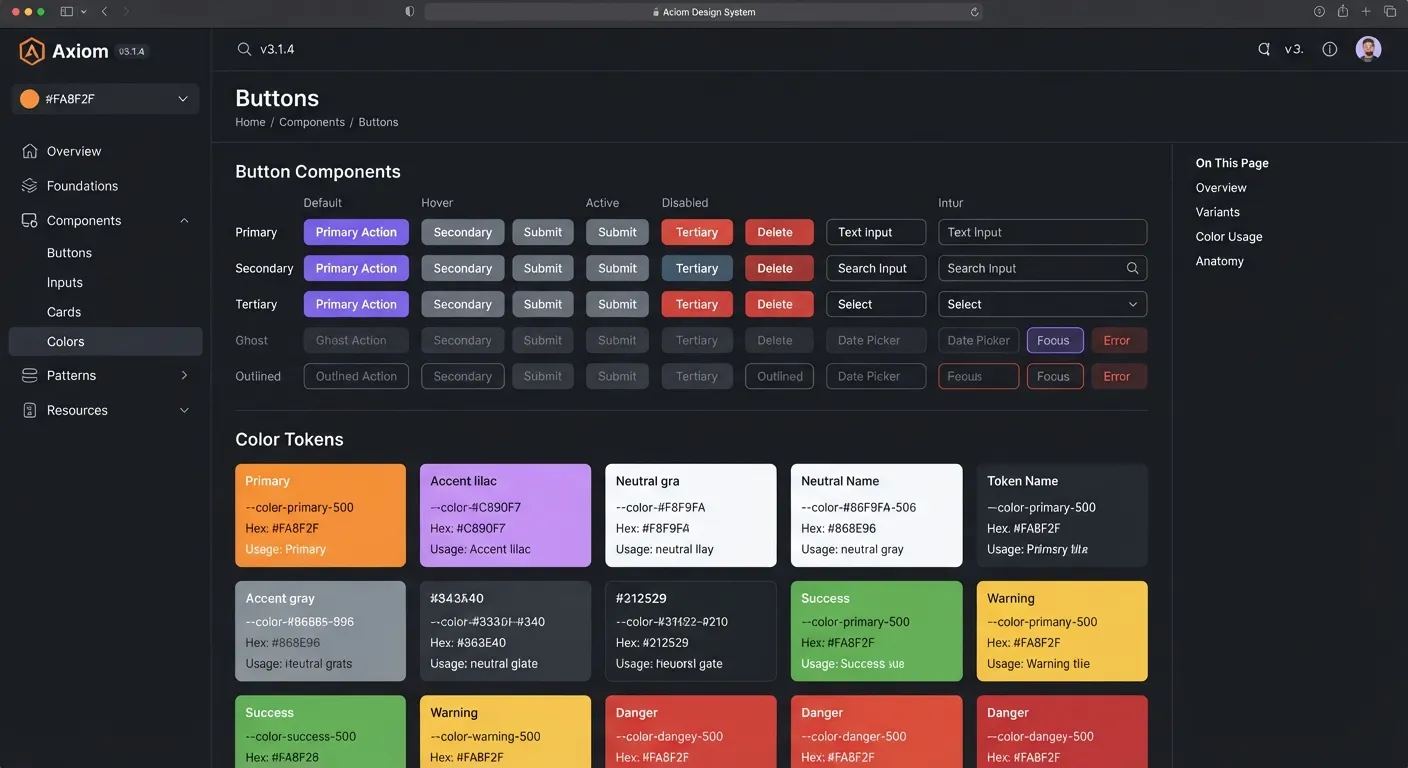
Context & problem
Six products, four squads and no shared language. Every team rebuilt the same button, colour lived in 212 hex values, and handoff meant screenshots in Slack. Shipping a simple UI change took a week of back-and-forth.
- Unique colour valuesColours
- 212
- Button variantsButtons
- 37
- Avg. handoff loopHandoff
- 5d
“The problem wasn't missing components. It was that nobody trusted the ones that existed.”
Process
I ran a full UI audit, rebuilt the foundations as tokens, then shipped components in priority order — the 20% of patterns that covered 80% of screens first.
- Step 01 · Audit1,400 screens inventoried and clustered.1,400 screens clustered.
- Step 02 · Tokens3-tier tokens: core → semantic → component.Core → semantic → component.
- Step 03 · Components48 components, built in Figma + React.48 in Figma + React.
- Step 04 · DocsLive docs with usage, do/don't and code.Usage, do/don't, code.
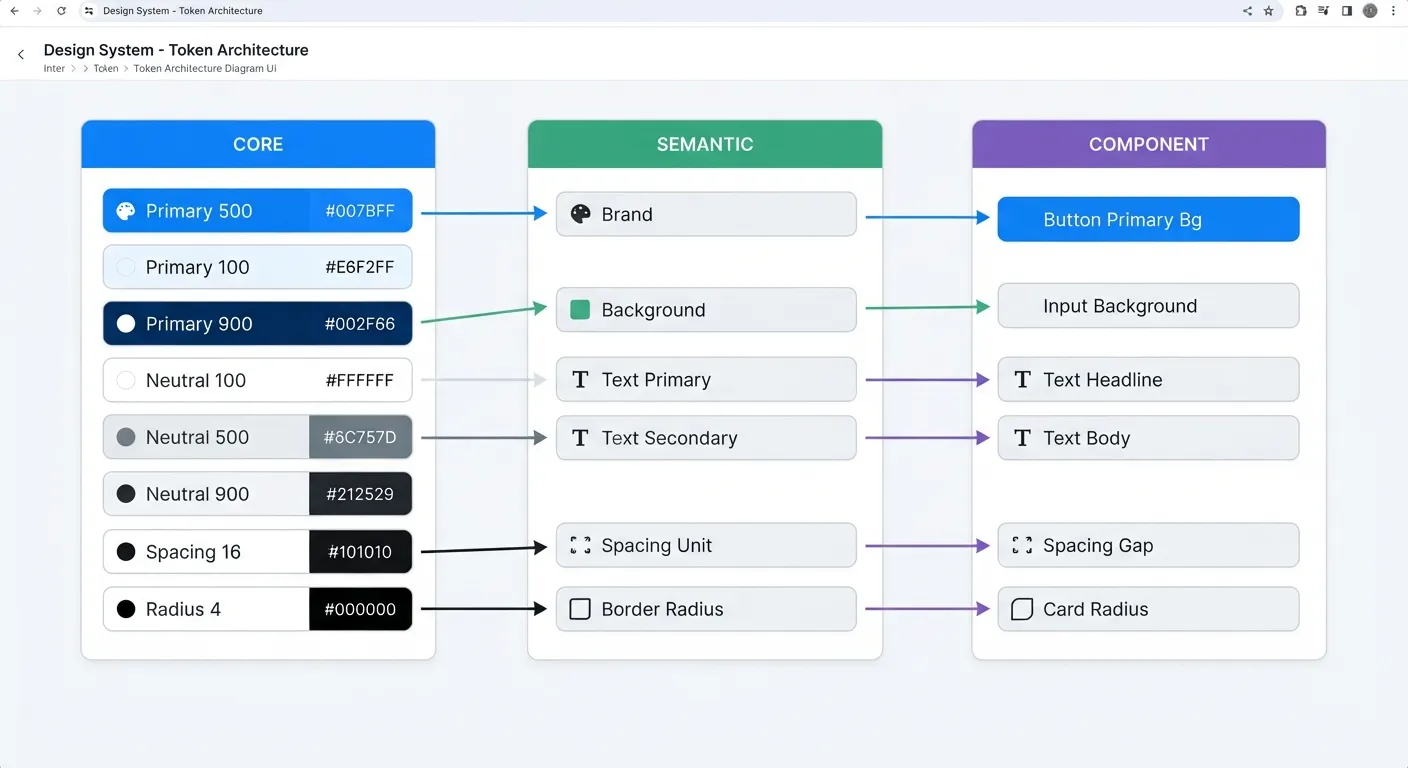
Fig. 02/ Token architecture
[2/4]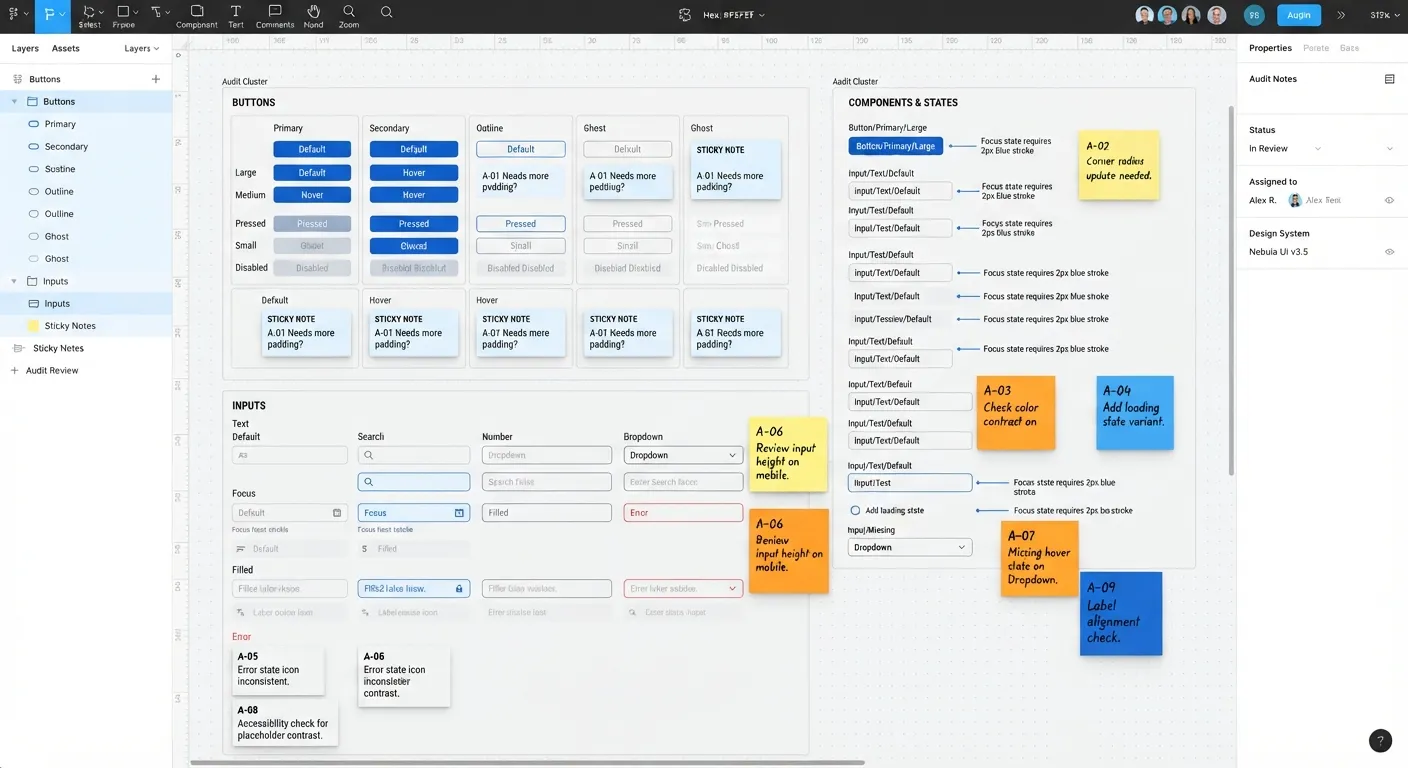
Fig. 03/ Component audit boardComponent audit
[3/4]Solution
Andromeda ships as a Figma library, a React package and a docs site that share one token source. Changing a colour in the token file now updates every product in a single release.
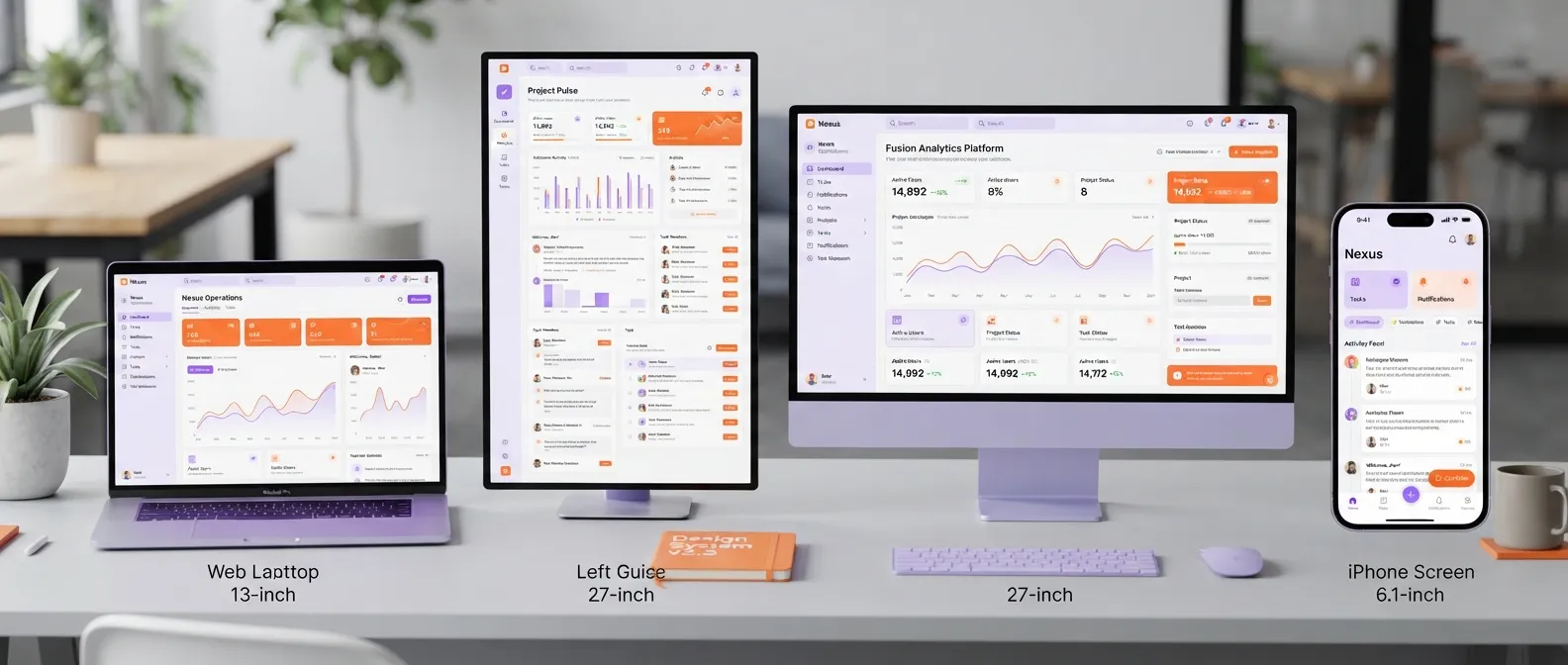
Fig. 04/ Components in production across 6 productsIn production
[4/4]Outcome
Adoption came faster than planned because teams could see their own product in the system on day one.
- Design-to-dev handoff timeHandoff
- −40%
- Products on AndromedaProducts
- 6/6
- Component adoptionAdoption
- 98%
Reflection
I'd bring engineering into the token naming earlier — we renamed 60 tokens in month four. And a design system is a product: it needs a roadmap, a changelog and someone who says no.